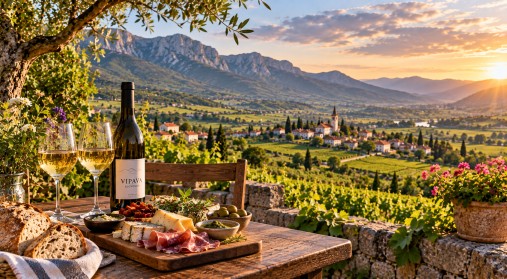
Nestled in Slovenia’s southwest, the Vipava Valley is gaining traction as a hotspot for travelers captivated by wine, regional cuisine, and outdoor experiences. This region, characterized by its vineyards, karst landscapes, and time-honored settlements, offers a unique attraction for those exploring the area near the Italian border and the broader vicinity around Nova Gorica.
The valley is an expanse between mountain slopes and fertile plains, with the Vipava River meandering through the picturesque countryside. One of its most distinctive natural phenomena is the burja, a powerful wind channeled from the Alpine region, which has historically influenced the local climate and farming practices. This, coupled with the dry karst terrain, has bolstered the valley’s reputation for producing exquisite wines and preserved foods.
Vineyards dot the hills surrounding the valley, making wine an integral part of the local tourism draw. Here, small-scale producers and traditional wine estates paint a landscape where agriculture remains a core element of the region’s identity. The culinary scene is equally rich, offering a tapestry of flavors with fresh sheep and goat cheeses, cured meats, and handmade dishes that reflect both traditional recipes and modern culinary interpretations.
Beyond its gastronomic allure, Vipava provides a glimpse into historic rural architecture, with former farm buildings and traditional homes being transformed for tourism purposes while retaining their original charm. This evolution is helping to boost accommodation options in villages that previously had limited capacity for visitors. For those eager to explore, cycling routes weave through vineyards, villages, and farmlands, with e-bike paths making the hilly terrain more accessible, and hiking trails offering immersion into the surrounding karst landscape.
The region’s historical sites, like the Roman remnants near Ajdovščina and the fortified settlement of Vipavski Križ, connect visitors to its storied past. Despite its attractions, the valley remains relatively unfrequented, adding to its allure. Tourism here is evolving slowly, with a focus on promoting local food producers, wineries, family-run businesses, and outdoor activities. Thus, the Vipava Valley presents a blend of experiences ideal for travelers seeking a tranquil European escape, complete with vineyard vistas, regional delicacies, historic villages, and active pursuits.