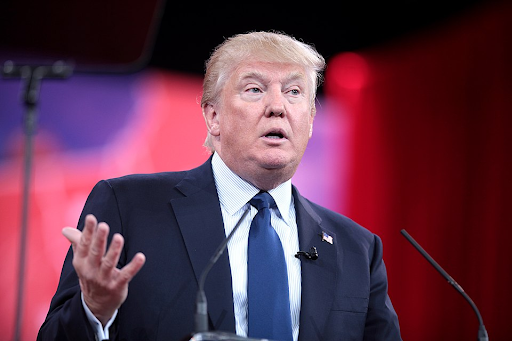
The Persian Gulf and its surrounding littoral states have experienced periodic military crises over the past four decades — the tanker war of the 1980s, the Gulf War of 1991, and various incidents involving Iranian speedboats and US Navy vessels. But the current conflict represents something categorically different: a sustained Iranian missile and drone campaign against multiple Gulf states simultaneously, conducted as retaliation for a US-Israeli offensive aimed at destroying Iran’s government. President Donald Trump has transformed the Gulf into a battle zone.
The Iranian retaliatory campaign in the Gulf has been comprehensive and escalating. Missiles and drones have struck at US military installations and energy infrastructure in Kuwait, Qatar, Saudi Arabia, and Bahrain simultaneously. Six American soldiers were killed in Kuwait in one of the first strikes. Qatar and Saudi Arabia have confirmed intercepting attacks aimed at US bases on their soil. In Bahrain, strikes hit hotels and a residential building, producing civilian casualties. In Kuwait, fresh waves of Iranian projectiles have continued to cross the airspace throughout the week.
The military campaign that provoked the Gulf strikes has been devastating for Iran’s military infrastructure. American B-2 stealth bombers have struck Iran’s buried missile sites with dozens of 2,000-pound penetrating munitions. A large Iranian naval vessel has been hit and possibly sunk. Israel has simultaneously conducted sweeping operations in Lebanon, issuing mass evacuation orders covering over one million people and striking Hezbollah’s command infrastructure. The defense secretary has promised even more firepower.
The Gulf states caught in the middle have responded with a mixture of military defense and diplomatic caution. Their air defenses have been activated repeatedly to intercept incoming Iranian missiles and drones. Qatar and Saudi Arabia have confirmed shooting down attacks. The UK has deployed additional fighter jets to Qatar to help defend the country. But Gulf governments have avoided any public endorsement of the campaign that is drawing the Iranian fire, maintaining a studied ambiguity that reflects their impossible geopolitical position.
The economic consequences for the Gulf have been immediate and severe. Oil prices have risen sharply as markets price in the risk of sustained conflict. Commercial shipping costs in the Gulf have increased dramatically. Insurance costs for businesses operating in the region have risen. Several countries have issued travel advisories. The Gulf, which has been one of the most economically dynamic regions in the world over the past two decades, now faces the prospect of an extended period of instability that could significantly set back its development ambitions.