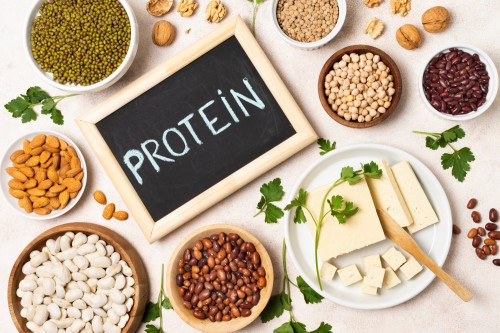
Protein is a vital nutrient that plays a crucial role in muscle development, tissue repair, immune function, and the health of skin, hair, and nails. Although many individuals assume their protein consumption is adequate, a subtle deficiency can arise over time. This is particularly true for those who tend to skip meals, primarily consume refined carbohydrates, or adhere to restrictive eating plans. Identifying early warning signs is key to making simple dietary adjustments before your health is compromised.
One of the initial indicators of insufficient protein intake is persistent hunger and frequent cravings. If you notice you feel hungry shortly after meals or are constantly reaching for snacks, it might be because your diet lacks enough protein. This nutrient is known for prolonging feelings of fullness by slowing down digestion and aiding in the regulation of appetite-related hormones. Another sign is the gradual loss of strength, as protein is indispensable for maintaining muscle mass. A deficiency can lead to a noticeable decline in physical capabilities over time due to slowed muscle repair.
Experiencing ongoing fatigue despite adequate sleep may also signal low protein levels. Amino acids derived from protein are essential for the production of enzymes and hormones that support energy creation. Additionally, changes in hair, skin, and nails can occur, as inadequate protein affects keratin and collagen production, leading to increased hair loss, brittle nails, and dry skin. Slow recovery after physical exertion or illness is another symptom; protein is crucial for tissue repair, and a deficiency can cause prolonged soreness or delayed healing.
Swelling, especially in the feet or ankles, can occasionally be linked to low protein levels as they may contribute to mild fluid retention. Any persistent swelling should be medically evaluated. Moreover, frequent infections could be a sign of compromised immunity due to insufficient protein intake, as it is essential for antibody production and fighting infections. To boost protein levels, incorporating a high-quality protein source in every meal is recommended, with foods like eggs, dairy, fish, poultry, soy products, legumes, nuts, and seeds being excellent choices. Pairing protein with fiber-rich vegetables and healthy fats can further enhance satiety and nutritional balance.
For those with greater protein requirements, such as athletes, older adults, busy professionals, or individuals recovering from illness or surgery, protein supplements might be beneficial. Options like whey protein are favored by many, while plant-based alternatives made from pea and rice proteins cater to vegetarians and those avoiding dairy. Implementing small dietary changes can significantly impact energy levels, muscle health, recovery, and overall well-being, underscoring the importance of balanced meals rich in protein throughout the day.