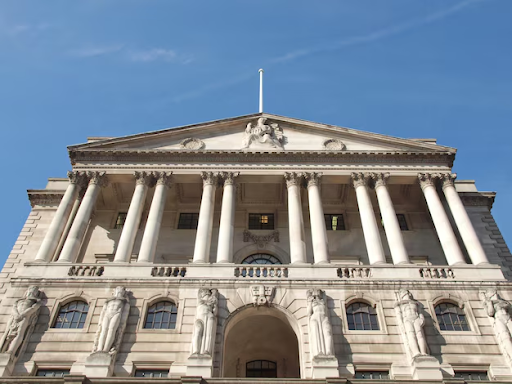
The Bank of England has kept interest rates unchanged at 3.75%, with monetary policy decisions informed by extensive academic economic research. The intellectual framework guiding policy evolves with scholarly understanding.
The monetary policy committee’s 5-4 vote reflected years of economic research into optimal monetary policy, inflation dynamics, and policy transmission mechanisms. Committee members including Alan Taylor and Swati Dhingra are accomplished academics who bring research insights to policy discussions.
Recent academic research has refined understanding of inflation persistence, the role of expectations, and how supply shocks differ from demand shocks in requiring policy responses. This research influences how committee members interpret current inflation and appropriate responses.
The debate between Taylor (advocating 3% rates) and Greene (warning of policy errors) partly reflects different academic frameworks for understanding inflation dynamics. Taylor’s position reflects research emphasizing output gaps and unemployment as inflation determinants. Greene’s concerns reflect research on expectation dynamics and inflation persistence.
Governor Bailey’s projection that inflation will fall to around 2% by spring uses models built on decades of academic research into inflation forecasting. These models imperfectly capture reality but represent best available knowledge. The GDP forecast of 0.9% and unemployment projection of 5.3% similarly reflect research-based modeling. The emphasis on ensuring inflation “stays” at 2% reflects academic literature on expectation anchoring. Chancellor Reeves’s budget measures, including utility bill cuts and rail fare freezes from April, operate through channels well-understood in academic research. The forecast of 2.1% inflation by mid-2026 represents current scholarly consensus on forecast methodologies applied to UK conditions.