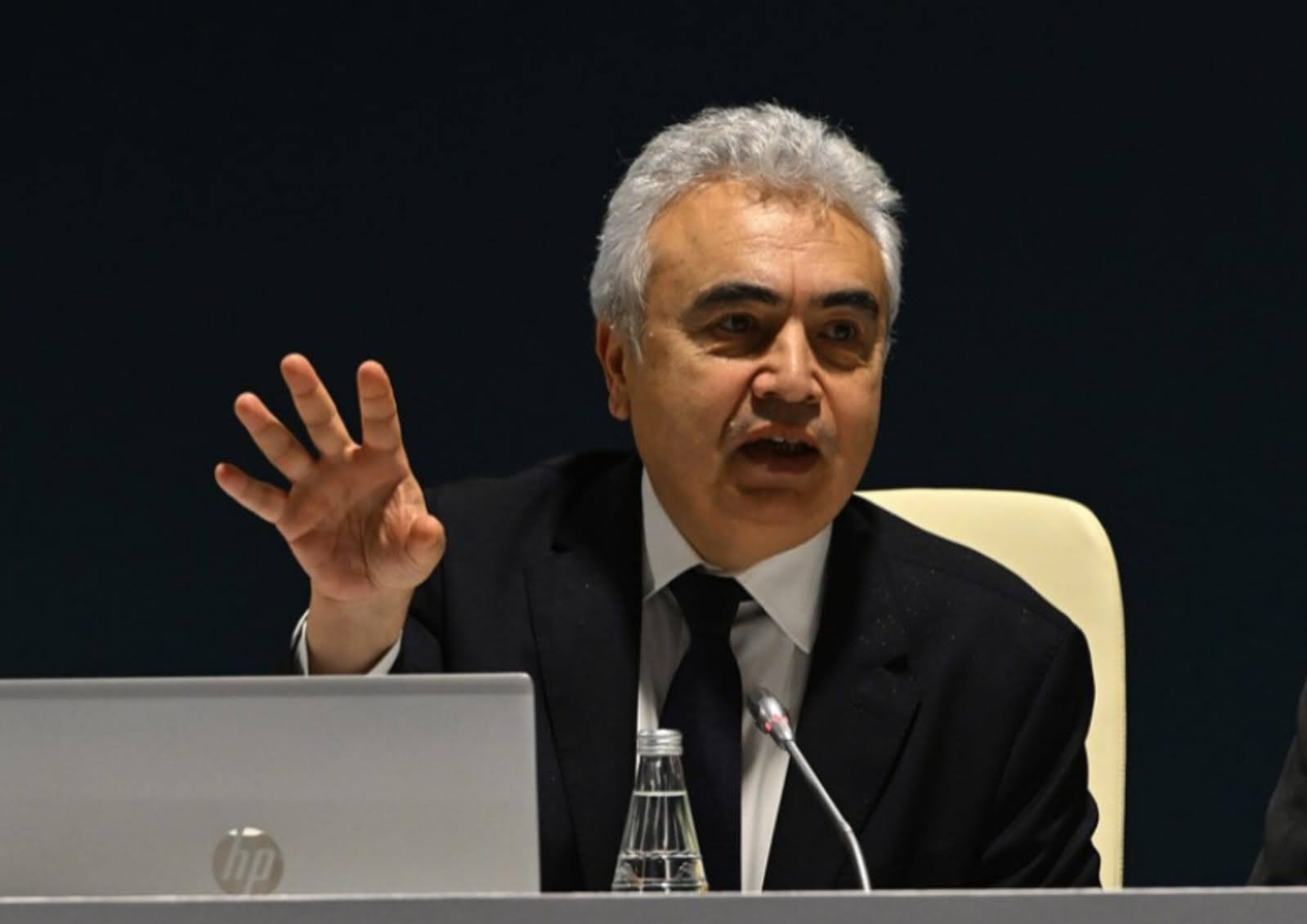
The Iran war and the global energy crisis it has unleashed represent the defining moment for global energy policy for the next decade, the head of the International Energy Agency has declared. Fatih Birol, speaking in Canberra, said the crisis — equivalent in force to the combined 1970s twin oil shocks and the Ukraine gas disruption — would shape energy investment decisions, security frameworks, and international cooperation mechanisms for years to come. He called on governments to rise to the historic challenge the moment presented.
Birol drew a parallel with the 1973 oil crisis, which led to the creation of the IEA itself and fundamentally transformed how governments managed energy security. The current crisis, he said, was even more severe and had the potential to drive even more fundamental changes — if governments had the vision and the political will to act. The question was whether they would respond with the same ambition that characterized the post-1973 period.
The conflict began February 28 with US and Israeli strikes on Iran and has since removed 11 million barrels of oil per day and 140 billion cubic metres of gas from world markets. At least 40 Gulf energy facilities have been severely damaged, and the Hormuz strait — through which approximately 20 percent of global oil flows — remains closed. The IEA deployed 400 million barrels from strategic reserves on March 11 in its largest ever emergency action.
Birol called for demand-side policies including remote work, lower speed limits, and reduced air travel. He confirmed further reserve releases were under consideration and that consultations with governments across Europe, Asia, and North America were ongoing. He met with Australian Prime Minister Anthony Albanese and said Australia had an important role to play in both the immediate crisis response and the long-term reshaping of global energy security architecture.
Iran threatened retaliatory strikes on US and allied energy and water infrastructure after Trump’s ultimatum expired. Birol warned that the world could not afford to manage the immediate crisis and then return to business as usual. He concluded that the choices made in the coming weeks and months would determine whether 2026 would be remembered as the year the world finally built a genuinely resilient, diversified, and secure global energy system.