In the absence of a functioning governing authority, Gaza is experiencing what experts call a governance vacuum — a condition in which essential public services, law enforcement, civil administration, and community organization break down. This vacuum is not just a political inconvenience. It has immediate, tangible consequences for the two million people trying to live in it.
Hamas has been significantly degraded as a governing force by two years of war but has not been replaced. The US-named transitional committee cannot enter Gaza. International stabilization forces have not deployed. The ceasefire has created space — but not structure — for a governance transition that has yet to begin.
In governance vacuums, power tends to flow to whoever can provide order and resources. In Gaza’s current context, that means armed groups, black market operators, and whoever controls the distribution of aid. The conditions for a return to stability require a legitimate governing authority with the capacity and mandate to establish order — and that authority does not currently exist.
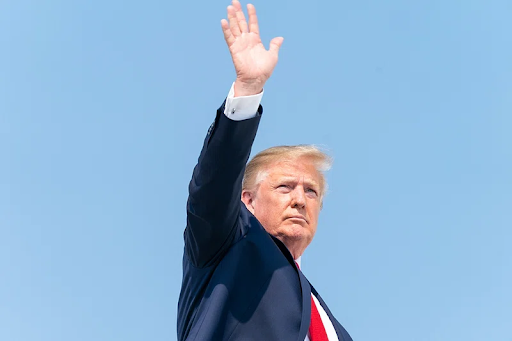
Trump’s Board of Peace has named Nickolay Mladenov to oversee the transitional committee and identified Ali Shaath to lead it. But Mladenov himself has warned that the committee cannot function under current conditions. Without Hamas handing over power, without Israeli permission to enter, and without the security environment that international forces would provide, the committee remains theoretical.
The governance vacuum is not getting better with time — it is deepening. Every day without a functioning authority is a day in which the conditions for stable, legitimate governance become harder to establish. The Board of Peace’s first meeting Thursday was an opportunity to accelerate the steps needed to fill that vacuum. Whether it seized that opportunity will become apparent in the days and weeks ahead.