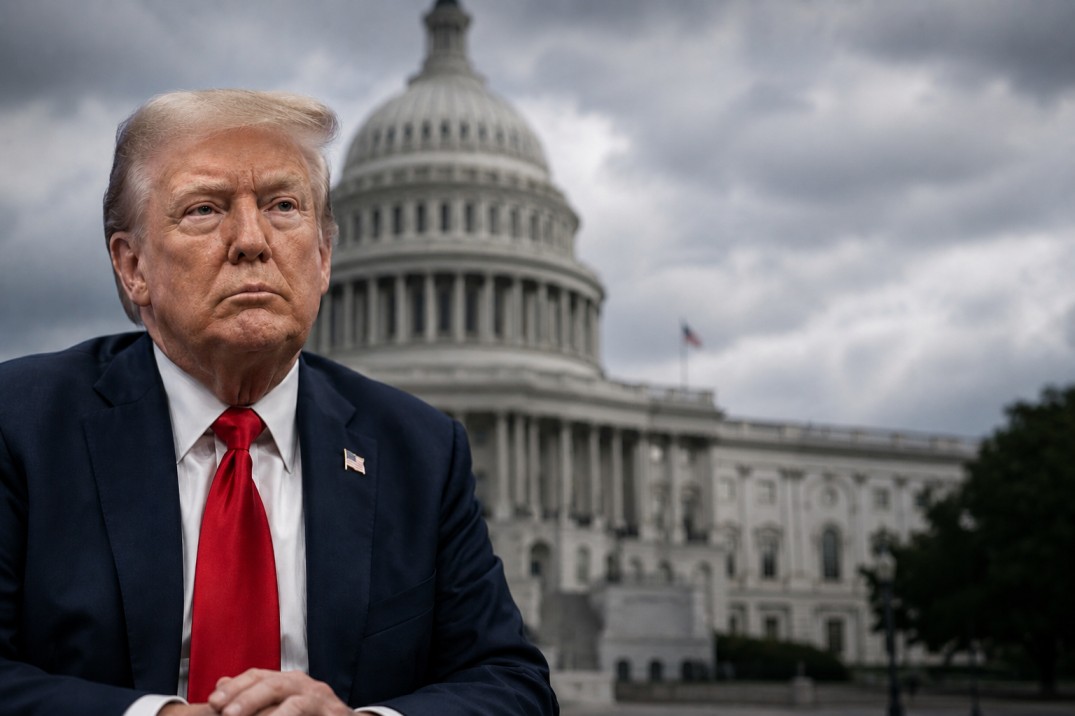
In a move that underscores its focus on election integrity, the Trump administration has dispatched letters to election officials across all 50 states and Washington, D.C. The correspondence, sent by the US Department of Justice, warns these officials of potential criminal charges should they permit noncitizens to register or vote in federal elections. The letters emphasize adherence to federal mandates stipulating that only eligible US citizens are permitted to participate in federal voting processes.
State officials received a directive to clarify within five days the strategies and measures they have implemented to keep voter rolls accurate and to ensure that only eligible voters cast ballots. This initiative represents a marked intensification of the federal government’s intervention in election administration, a domain typically governed by state and local authorities. Despite the administration’s repeated assertions advocating for stronger measures to curb noncitizen voting, there is no substantial evidence indicating that noncitizen participation has had a significant impact on US elections.
The response to these letters has been mixed, with several state election officials expressing disapproval. They argue that the letters are replete with unwarranted threats and exert undue pressure on state-run election systems. Nevertheless, officials from states such as Utah and Arizona have stood by their current voter verification procedures, asserting that they already comply with both federal and state laws to guarantee that only eligible citizens are registered to vote.
This federal push for stringent election oversight comes against a backdrop of ongoing debates about election security and voter fraud in the US. While the administration’s actions are aligned with its broader agenda to fortify election systems, they have also sparked discussions about the balance of power between federal and state governance in election matters. As states respond to the Department of Justice’s inquiries, the broader implications of this initiative on state-federal relations in election oversight continue to unfold.