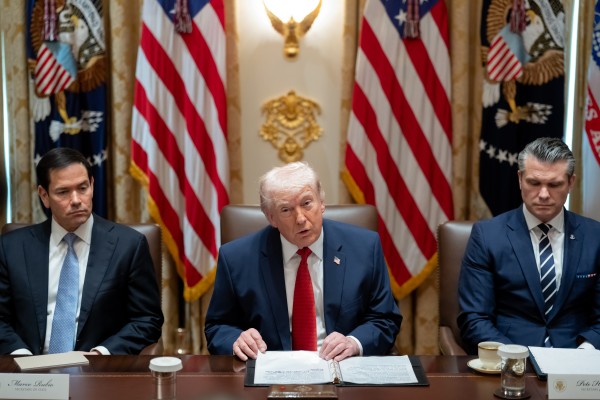
Tensions flared in a Senate Republican luncheon as a heated exchange unfolded between US President Donald Trump and Senator Bill Cassidy. The dispute centered on the administration’s strategy regarding the conflict with Iran and ongoing disagreements within the Republican Party over legislative priorities. The confrontation arose after Trump questioned the support among lawmakers for the War Powers Act resolution, which aims to limit the president’s authority to initiate military action against Iran. Senator Cassidy, who endorsed the resolution, pressed Trump for more clarity and detailed information about the situation, emphasizing the need for lawmakers to understand the objectives and status of military operations.
During the intense discussion, both Trump and Cassidy reportedly raised their voices, reflecting the deepening rift over the administration’s transparency and approach to foreign policy. Cassidy insisted on greater openness from the president, arguing that Congress deserves comprehensive answers to effectively oversee military engagements. The altercation eventually de-escalated, but it underscored the mounting discord among Republicans regarding the direction of US foreign policy.
The clash coincided with Trump’s decision to delay signing a bipartisan housing bill, which had cleared Congress. Trump linked the approval of the housing legislation to the enactment of the Save America Act, a contentious voting-related bill that proposes stricter voter identification requirements and restrictions on mail-in voting. This move by Trump has further complicated the legislative agenda, as it intertwines domestic policy with broader electoral reforms.
Republican senators expressed their growing frustration over the internal divisions exposed by the incident, which highlighted the broader disagreements within the party on foreign policy and electoral legislation. The controversy comes as Republicans attempt to solidify their legislative strategy ahead of upcoming elections, navigating the complexities of aligning with the president’s agenda while addressing legislative priorities.
Meanwhile, Democrats have criticized Trump’s decision to withhold the housing bill, arguing that the legislation is crucial for addressing escalating housing costs and boosting affordability for American families. They contend that the bill is designed to expedite construction and provide much-needed relief to the housing market, thereby improving the economic landscape for many households. The political standoff over these issues illustrates the broader challenges facing lawmakers as they attempt to balance partisan interests with legislative efficacy.