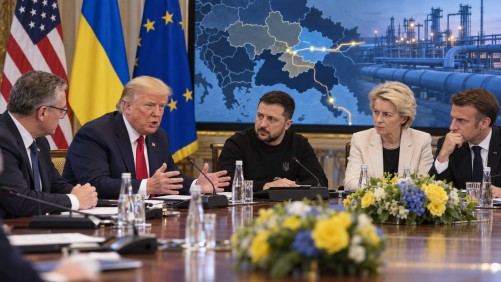
In a move that has sparked concern over the United States’ stance on the ongoing conflict between Ukraine and Russia, President Donald Trump has signed an executive order to ease sanctions on Russia’s energy sector. This decision comes amid Ukraine’s persistent appeals for increased support from European nations as the war with Russia continues.
The executive order follows recent legislation that granted President Trump the authority to impose tariffs as high as 100% on major importers of Russian oil and gas. The legislation also targeted Russia’s energy and defense sectors, as well as individuals involved in the use of a shadow fleet of tankers aimed at bypassing Western sanctions.
Ukrainian President Volodymyr Zelensky has been actively seeking further backing from the European Union. After discussions in Brussels, Zelensky called on EU leaders to maintain pressure on Moscow and requested an additional €70 billion (approximately US$79 billion) in financial and military assistance for the upcoming year. He emphasized the need for more Patriot air defense missiles to counter Russian attacks.
Relations between Washington and Kyiv have shown signs of strain, particularly after Trump criticized Ukraine for conducting renewed strikes on Russian oil refineries. This tension is exacerbated by reported disruptions in satellite-based communications used by Ukrainian forces, although SpaceX CEO Elon Musk has denied his company’s involvement, and a U.S. official has refuted any intervention by Trump.
European leaders have reiterated their support for Ukraine. European Council President António Costa and other EU leaders have expressed their commitment to continued assistance and stronger measures against Russia. They are also considering Ukraine’s request for additional funding.
The European Union is currently distributing installments from a €90 billion loan designed to support Ukraine’s financial needs through 2027. Despite this, Ukrainian officials warn that the country faces a significant funding gap as Russian attacks persistently damage its economy and critical infrastructure.
Discussions have also reignited proposals to use approximately €200 billion in frozen Russian central bank assets to aid Ukraine’s defense and recovery efforts. However, this idea faces resistance, particularly from Belgium, where the majority of these assets are held.