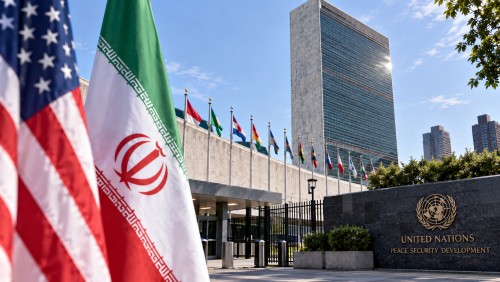
As tensions persist between the United States and Iran, a notable diplomatic development is set to occur at the upcoming United Nations General Assembly in New York. Despite the ongoing conflict, the U.S. government will permit senior Iranian officials to participate in the international gathering, adhering to its role as the host nation of the UN.
The U.S. State Department confirmed that a core delegation from Iran, including President Masoud Pezeshkian and Foreign Minister Abbas Araqchi, will be issued visas to attend the meeting. This decision aligns with the U.S.’s obligations under the 1947 UN headquarters agreement, which generally requires granting access to foreign diplomats, although exceptions can be made on grounds of security or foreign policy concerns.
While Iranian officials will be present at the UN, their movements will remain restricted within the United States. They will be limited to traveling between designated areas such as the UN headquarters, Iran’s UN mission, and the Iranian ambassador’s residence. Additionally, there will be constraints on their ability to purchase certain goods while in the country.
This diplomatic gesture occurs amid sporadic attempts at dialogue between Washington and Tehran, aimed at resolving a conflict that erupted on February 28 following U.S. and Israeli military actions in Iran, which prompted retaliatory attacks by Tehran on Israeli and Gulf state targets hosting U.S. military bases.
In contrast, the U.S. has decided to deny entry to Palestinian officials, including President Mahmoud Abbas, for the same UN event. This decision highlights the nuanced approach Washington is taking concerning different parties involved in Middle Eastern geopolitics.