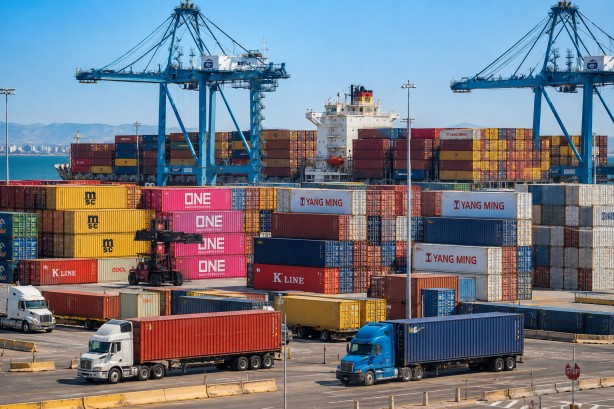
The U.S. government has issued refunds totaling approximately $100 billion for tariffs that were originally collected under former President Donald Trump’s trade policies, known as “Liberation Day” measures. This follows a Supreme Court decision that deemed a substantial portion of these tariffs unlawful. The refunded amount represents around 60% of the $165 billion that had been collected before the court’s ruling. These tariffs, which targeted imported goods, were a core component of Trump’s strategy to enhance domestic manufacturing, secure advantageous trade deals, and bolster government revenue.
After the Supreme Court’s decision, the administration promptly returned the tariffs to the companies that had paid them. Despite these significant refunds, the U.S. federal budget deficit has continued to expand, hitting $1.37 trillion in the first nine months of the fiscal year. This financial backdrop presents ongoing challenges for the federal government as it navigates economic policy in the wake of the court’s ruling.
In a related development, the Trump administration recently implemented a new series of tariffs ranging from 10% to 12.5% on imports from over 80 countries, including major trade partners such as India, China, the United Kingdom, Canada, Mexico, Australia, and members of the European Union. These tariffs were introduced with the justification of addressing concerns related to products associated with forced labor, showcasing a continued focus on trade policy as a tool for enforcing labor standards.
However, these new tariffs have quickly come under legal scrutiny. A coalition of 25 U.S. states has filed a lawsuit seeking to block the implementation of these measures. The states argue that the new tariffs unlawfully serve as replacements for the ones previously invalidated by the Supreme Court. This legal challenge underscores the ongoing debate over the use of tariffs in U.S. trade policy and their implications for both domestic and international economic relations.