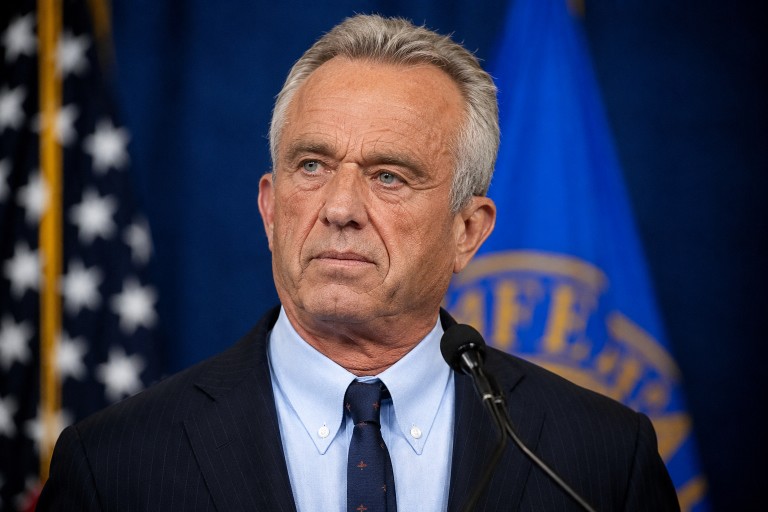
Efforts to enhance early detection of Alzheimer’s disease have been underscored by U.S. Health Secretary Robert F. Kennedy Jr., who advocates for better screening practices. However, the advancement of these efforts has faced hurdles, notably due to the inactivity of a crucial federal advisory panel that plays a role in assessing preventive health measures. This panel has not convened for over a year, raising concerns among experts about the pace of progress in this critical health area.
Currently, there is no widespread agreement among researchers on the implementation of routine screening for Alzheimer’s in individuals who do not exhibit symptoms. The scientific community stresses the necessity of gathering more evidence before such screenings can be widely endorsed. They argue that ongoing research is vital to developing trustworthy and effective screening techniques that could benefit the general population.
Furthermore, scientists are worried about the implications of funding disruptions and delays in research programs. These issues have stalled the development of innovative diagnostic methods, including promising blood-based biomarkers that hold potential for earlier detection of Alzheimer’s. Although there are some new diagnostic tests available for patients showing symptoms, experts warn that these tools are not yet appropriate for mass screening across the population.
Despite these challenges, health officials assert that the U.S. government remains committed to supporting Alzheimer’s research and initiatives focused on enhancing diagnosis, treatment, and patient care. Nevertheless, researchers emphasize that maintaining consistent funding and making policy decisions grounded in evidence are essential to pushing the field forward and achieving substantial advances.