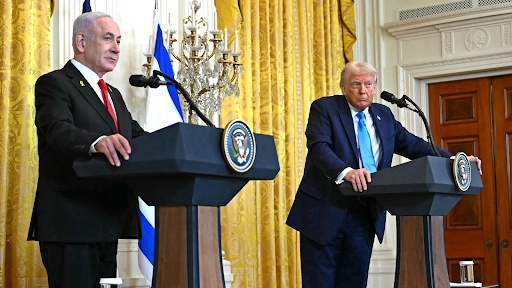
A key element of President Donald Trump’s Gaza peace plan is the active role of the Arab world, transforming key nations from spectators into stakeholders in the conflict’s resolution. Trump’s claim that “all of the Arab countries are signed up” marks a significant shift in regional dynamics.
Historically, Arab nations have been vocal in their support for the Palestinian cause but have often been limited in their direct influence over the conflict, particularly with an actor like Hamas. By securing their endorsement for this plan, the US has made them partners in pressuring Hamas and in guaranteeing the future stability of Gaza.
Their support was likely secured by a package of incentives. The plan offers an end to a destabilizing regional war, provides a framework for massive humanitarian intervention (which they would likely help fund), and, crucially, keeps the door open for a future Palestinian state, even if Israel’s current leadership objects.
This involvement provides a crucial “Arab cover” for the deal’s harsh terms on Hamas. It makes it harder for Hamas to frame the proposal as a purely Western or Zionist plot. Instead, they are being confronted by a consensus that includes their own regional brethren.
Should the deal be accepted, these Arab nations would be expected to play a major role in the reconstruction and potentially the governance of post-war Gaza. Their transformation from spectators to active stakeholders is one of the most significant, and potentially lasting, outcomes of this diplomatic initiative.