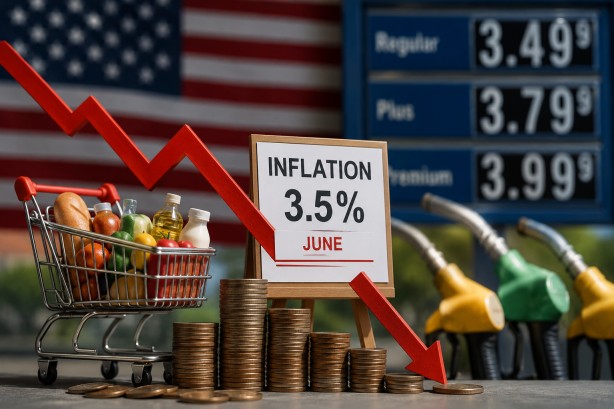
In June, the United States experienced a deceleration in annual inflation, which dropped to 3.5%. This slowdown was largely influenced by a temporary dip in energy prices, leading to lower overall costs for consumers. The Consumer Price Index (CPI) revealed that inflation had softened after previously climbing to higher figures, with a 0.8% decline in prices compared to May. The most significant contributors to this monthly decrease were reductions in gasoline and fuel prices, which helped counterbalance the rising costs of food, housing, utilities, and other essential expenses.
Core inflation, a measure that excludes the often unpredictable prices of food and energy and is watched closely by the Federal Reserve, decreased to 2.6% on an annual basis. Despite the current easing of inflation, it may not last long. Renewed geopolitical tensions in the Middle East have caused global oil prices to rise once again. This increase in crude oil prices is already being felt by consumers through higher fuel costs and by industries such as aviation and transportation facing greater operational expenses.
The Federal Reserve is set to review the latest inflation figures in conjunction with labor market conditions during its forthcoming policy meeting later this month. Although there has been some moderation in inflation, it still surpasses the central bank’s long-term target of 2%. This situation creates uncertainty about when the Federal Reserve might decide to alter interest rates in the future.
While the current reduction in inflation offers some relief, the potential for further increases in consumer costs looms due to the persistent volatility in the energy sector. The interplay between global events and domestic economic factors will likely play a critical role in shaping the U.S. economic landscape in the coming months. The Federal Reserve’s response to these challenges will be closely watched by economists and policymakers alike, as they navigate the delicate balance of promoting economic stability while managing inflationary pressures.