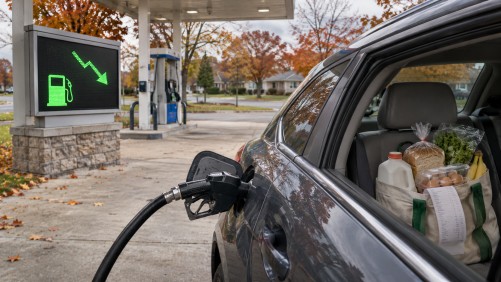
In October, the United States experienced a 0.4% rise in inflation compared to the previous month, according to the latest Consumer Price Index (CPI) data. This increase slightly surpassed economists’ expectations but indicated a slowdown in the pace of price hikes, largely due to easing petrol prices.
The data release comes amid a backdrop of declining average petrol prices, which fell from $4.41 to $4.22 per gallon during the month. Despite this decline, petrol prices remained higher than they were a year earlier, impacting energy costs, which saw a 0.7% rise in October following a significant 5.2% increase in September.
The drop in fuel prices has brought some relief to American consumers after several months of escalating energy costs, a situation exacerbated by ongoing conflicts in the Middle East. This inflation report follows closely on the heels of the US midterm elections, where rising living expenses and fuel prices were pivotal concerns for voters, thereby increasing pressure on the government to tackle affordability issues.
In response to these economic indicators, the Federal Reserve continues to closely monitor inflation rates as it deliberates on interest rate policies. The central bank’s target remains at 2%, and policymakers are evaluating whether the current reduction in price pressures will support future economic decisions.
Meanwhile, consumer confidence showed a slight improvement towards the end of October, benefiting from the decline in fuel prices. Nonetheless, ongoing worries about financial markets and the potential overinvestment in artificial intelligence continue to weigh on investor sentiment.
The October CPI data did not include an annual inflation figure due to disruptions in data collection caused by the 2025 government shutdown, adding a layer of complexity to the ongoing economic assessments.