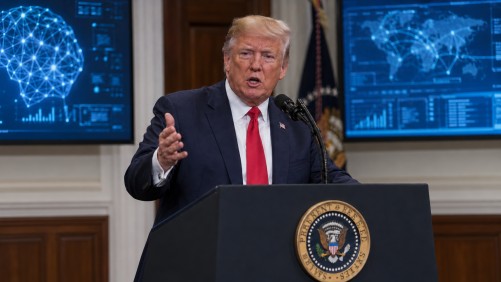
As the global landscape continues to grapple with the rapid advancements in artificial intelligence (AI), the United States is seeking to carve out a leadership role in managing the technology’s potential risks and opportunities. In this context, former President Donald Trump has announced plans to appoint an AI czar and establish an “AI Force” to oversee the burgeoning sector. This initiative reflects growing concerns about AI’s implications, both in terms of economic impact and national security.
Trump’s proposal for an AI force draws a parallel with the establishment of the US Space Force and suggests a structured approach to AI oversight. However, details regarding the new entity’s specific responsibilities, organizational structure, or timeline remain scant. In a social media post, Trump downplayed fears surrounding AI, emphasizing that his administration would not impose regulations that could hinder industry growth, as he believes that excessive restrictions could stifle innovation and allow rivals like China to gain an advantage.
The announcement comes amid increasing pressure on governments and tech leaders to address the safety and ethical concerns associated with AI. These discussions have been fueled by the development of autonomous AI agents capable of performing complex tasks with minimal human oversight. Despite the potential risks, Trump has consistently portrayed AI as a transformative economic force, underscoring the importance of maintaining America’s leadership in this competitive sector.
This federal initiative aligns with similar actions at the state level. Recently, California Governor Gavin Newsom announced plans to establish a panel focused on AI safety regulations, including strategies to disable AI systems that deviate from their intended safeguards. Meanwhile, other Republican leaders, such as Florida Governor Ron DeSantis and Utah Governor Spencer Cox, have advocated for stronger oversight and measures to curb the transfer of advanced technologies to China.
Trump’s announcement underscores a broader policy debate in the United States: how to strike an effective balance between fostering AI innovation and ensuring public safety. As discussions continue, the proposed federal AI initiative is poised to play a pivotal role in shaping the future direction of AI governance and development in the US.