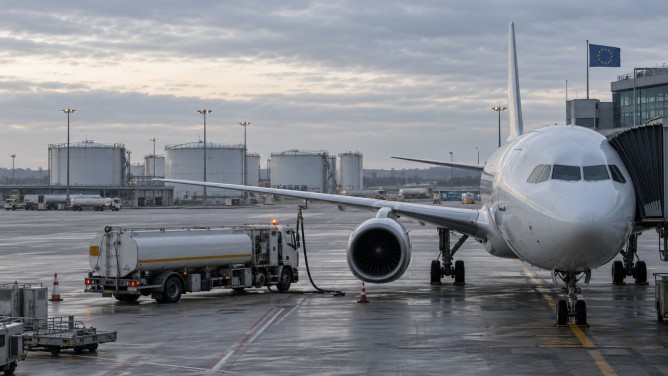
As global energy markets grapple with the ripple effects of geopolitical tensions, Europe is bracing for a potential scarcity of jet fuel in the coming months. Despite ramped-up imports from Asia and other key suppliers, regional stocks remain critically low, raising concerns about a potential deficit in the fourth quarter.
Jet fuel inventories in prominent European hubs such as Amsterdam, Rotterdam, and Antwerp plummeted to their lowest level in seven years by mid-September. Analysts are now projecting a significant shortfall of approximately 510,000 barrels per day, which could impact the aviation sector as demand rises.
While countries like Sweden report stable supplies of gasoline and diesel, the Swedish Energy Agency warns that aviation fuel could face short-term constraints. This underscores a broader regional vulnerability as Europe relies heavily on external sources to meet its jet fuel needs.
Efforts to mitigate the situation have seen a notable increase in jet fuel imports from Asia, with September figures indicating a surge to about 129,000 barrels per day. Additional supplies from Canada, Nigeria, and the United States have provided some relief, yet these measures may not fully offset the looming deficit.
Compounding the issue are disruptions in global energy markets, exacerbated by ongoing conflicts in the Middle East. Recent attacks on energy infrastructure in Saudi Arabia have intensified pressure on oil and fuel supplies, contributing to elevated prices across Europe. As winter approaches, the continent faces the dual challenge of managing energy costs while ensuring sufficient fuel for its aviation industry.